 The Ultimate Daily Trader Checklist
(Before You Click Buy)
Most day traders lose money not because they’re “dumb” or unlucky — but because they show up to the market unprepared. They roll out of bed, scan a few tickers, and jump into trades with zero structure.
Professionals don’t do that. Pilots use checklists. Surgeons use checklists. And if you want to trade like a pro, you need a daily trader checklist you can run through in minutes before you click buy.
1. Pre-Market Mindset Reset 🧠
Before you even look at charts, check in with yourself. Your mental state will dictate your trading decisions.
Quick questions:
- Did I sleep at least 6–7 hours?
- Am I stressed, angry, rushed, or distracted?
- Am I trying to “make back” losses from yesterday?
If your emotions are already elevated, you’re a danger to your own account. Take 5–10 minutes to breathe, walk, pray, or reset before you sit down to trade.
2. Account & Platform Readiness ⚙️
Nothing kills a good trade like a platform error or a missing setting. Do a quick system check:
- Is my trading platform logged in and updated?
- Is my buying power correct and margins available?
- Are my hotkeys set up and tested?
- Are charts showing the correct time frame and premarket data?
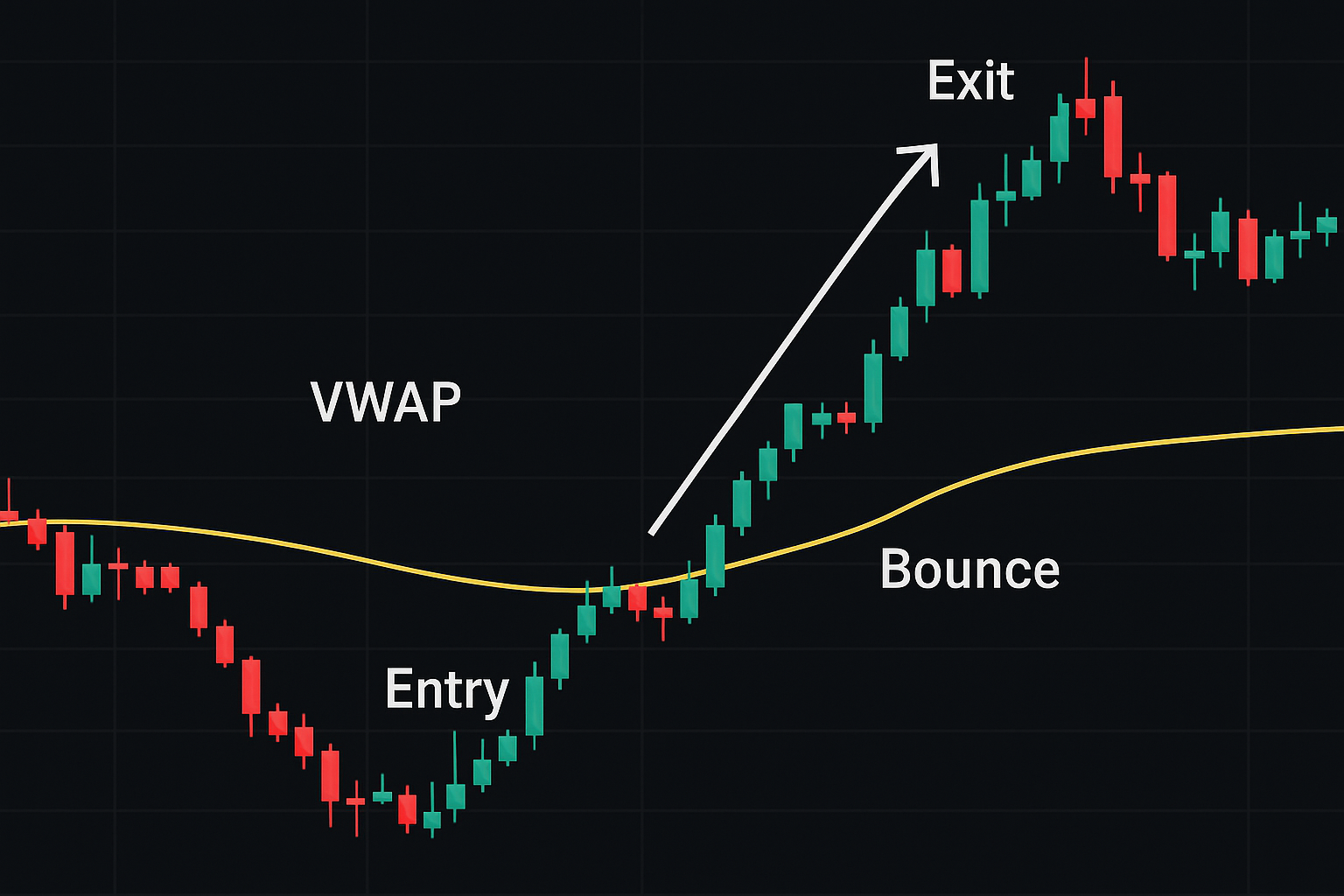
- Is VWAP, volume, and key indicators loaded correctly?
This step seems basic — until the day you miss a great trade because your platform froze or your hotkeys were wrong.
3. Daily Risk Limits Locked In 💣
Your first job is not to make money — it’s to protect your account so you’re still here tomorrow.
Set these before the market opens:
- ✅ Max risk per trade: usually 0.5–2% of your account
- ✅ Max daily loss: e.g. 3–4R or a dollar amount you can emotionally tolerate
- ✅ Max number of trades: e.g. 3–5 trades per day
4. Market Conditions Snapshot 🌍
Your strategy doesn’t live in a vacuum. It works better on certain days than others. Before you hunt setups, scan the environment:
- What are the futures doing? (SPY, QQQ, etc.)
- Is the market gapping up, down, or flat?
- Any major news today? Fed speeches, CPI, earnings?
- Is premarket volume strong or thin?
Label the day in your journal: “Risk-On Trend Day” or “Choppy / Cautious Day.” Your sizing and expectations should match that label.
5. A+ Setup Watchlist Only 🎯
You don’t need 30 tickers on your screen. You need a small list of A+ setups that actually match your strategy.
Checklist for your watchlist:
- Stocks with strong premarket volume
- Clear catalyst (news, earnings, upgrade, etc.)
- Clean daily chart (no random chop at your entry area)
- Respects VWAP, key levels, or patterns you trade
If a stock doesn’t fit your playbook, remove it. You’re a sniper, not a tourist.
6. Pre-Trade Entry Checklist ✅
Before you click buy, pause and run this mini-checklist. If any answer is “no,” you don’t take the trade.
- Is this trade based on my written strategy — not impulse?
- Is the trend in my favor (on the time frame I trade)?
- Is volume confirming the move?
- Do I have a clear entry, stop loss, and target?
- Does my position size respect my max risk per trade?
If you can’t write down the plan in one sentence — “I’m buying here, risking here, targeting here because…” — then you’re not ready to enter.
7. During-Trade Management Rules 🎛️
Once you’re in, your job is to follow your plan, not stare at every tick. Decide your rules ahead of time:
- Will you move your stop to breakeven after 1R?
- Will you scale out in partials (e.g. 50% at 1.5R, rest at 3R)?
- What invalidates the trade — a break of VWAP, loss of volume, or a failed level?
Write these rules once and follow them daily. The more you improvise mid-trade, the more emotional and inconsistent your results will be.
8. Post-Trade Quick Review 📝
Before you close the platform for the day, do a fast review. This doesn’t need to take an hour. Five minutes is enough if you’re consistent.
For each trade, ask:
- Did I follow my checklist and rules?
- Was this trade truly A+, or B/C-level?
- What would I do differently next time?
Screenshot the chart, paste it into your journal, and add 1–2 lines of honest commentary. Over 20–30 trades, patterns will jump out like neon signs.
Final Thoughts: Trade Your Checklist, Not Your Feelings
The traders who survive and thrive aren’t the smartest — they’re the most consistent. They run the same checklist every day, follow the same rules, and let the edge play out over hundreds of trades.
If you adopt a daily checklist like this, you’ll instantly separate yourself from the crowd of gamblers clicking buttons with no plan.
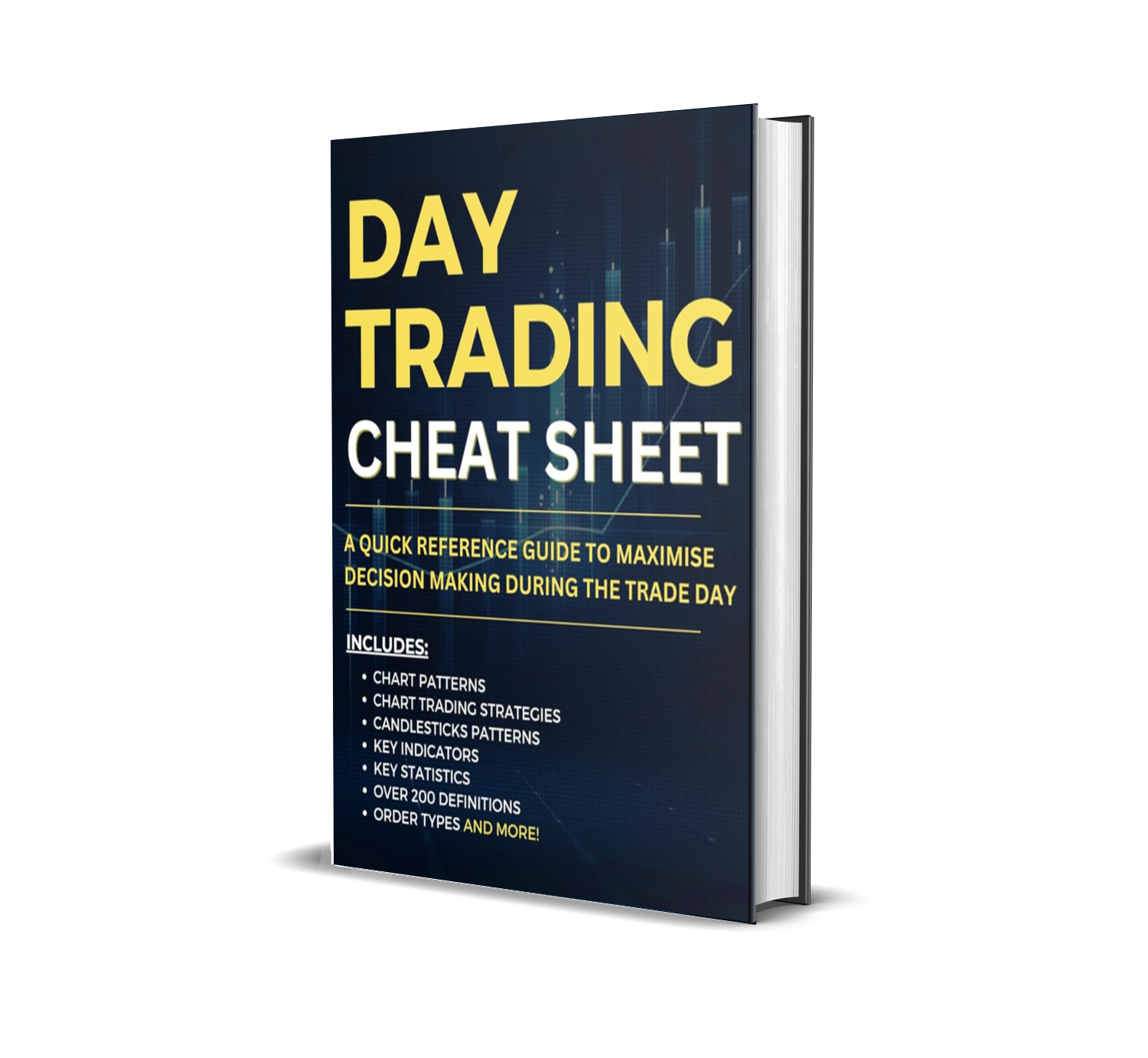
📘 From VWAP Bounce to Profit — The Ultimate Day Trading Playbook
Inside the book, you’ll get my full VWAP Bounce strategy, entry and exit rules, live trade examples, and plug-and-play journal templates you can use with this checklist.