 Day Trading Reality Check: When to Continue or Call It Quits
If You’re Still Losing Money After 3 Years — Do This
If you’ve been trading for a few years and you’re still not profitable, it’s normal to ask: “Should I keep going, or is it time to quit?”
Instead of guessing, hoping, or beating yourself up, you can use the next 6 months as a controlled experiment. In this post, we’ll break down concrete metrics you can track so that, at the end of that period, you’ll know — with data — whether to continue, pause, or walk away.
1. Why the 3-Year Mark Feels So Brutal
Three years is long enough to:
- Read books, watch courses, and try several strategies
- Experience bull markets, choppy days, and ugly drawdowns
- Lose enough money to feel real pain
If you’re still losing after that, it doesn’t mean you’re stupid — but it does mean something is broken in your process:
- Your risk is too big
- Your strategy is not actually tested
- Your discipline is weaker than you think
- You’re trading for emotion, not numbers
This reality check isn’t about shaming you. It’s about giving yourself one last, structured chance to decide if trading deserves more of your life.
2. Turn the Next 6 Months into a Hard Data Experiment
For the next six months, you’re not just “trading.” You’re running an experiment on yourself as a trader.
Your rules for this experiment:
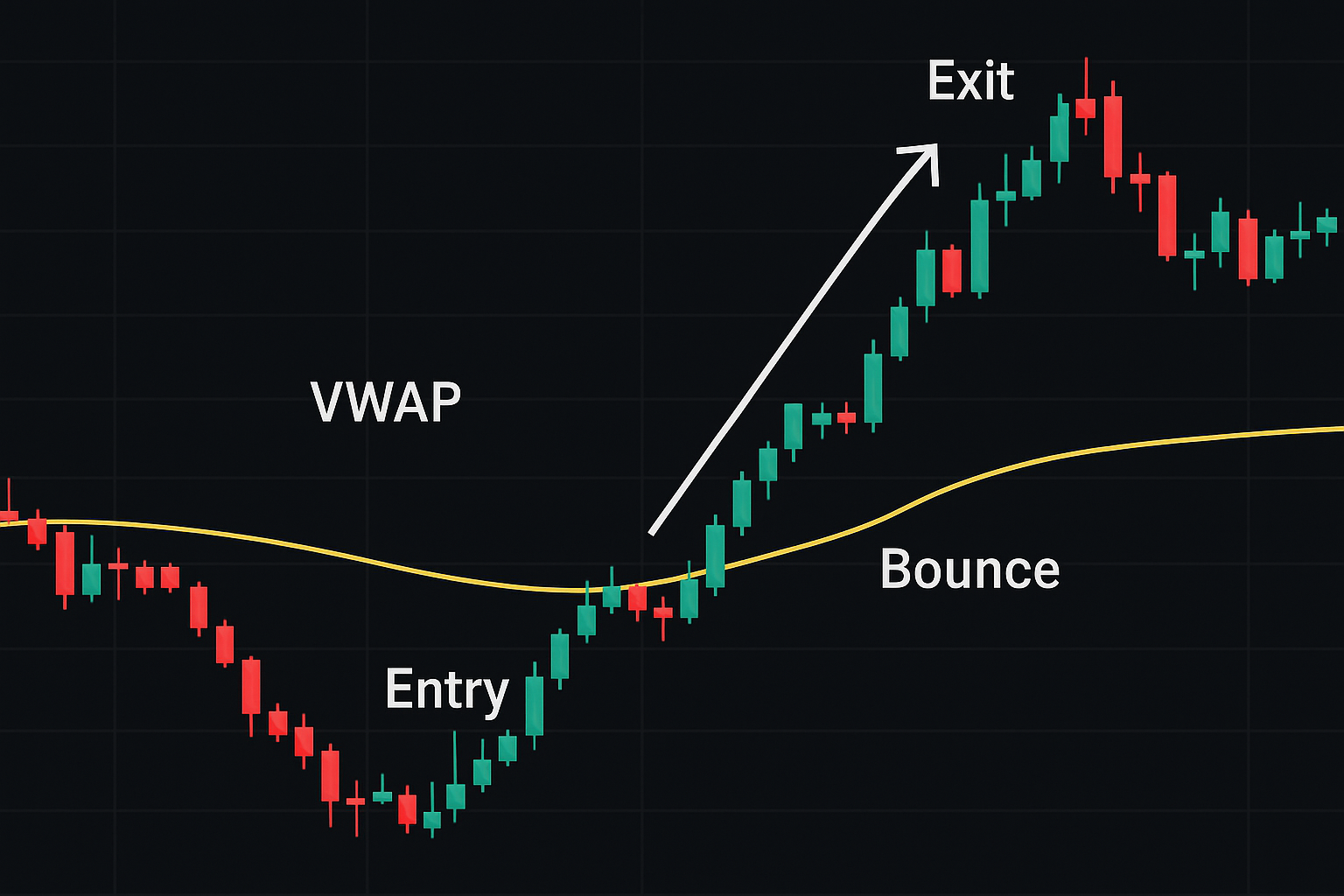
- Pick one main strategy (VWAP Bounce, Bull Flag, etc.) and commit to it
- Trade smaller size so losses don’t destroy you emotionally
- Journal every trade — entries, exits, screenshots, emotions
- Review your stats weekly and monthly
At the end of 6 months, you’re going to look at the numbers — not just how you feel – and make a decision like a CEO, not a gambler.
3. Core Performance Metrics You Must Track
Let’s start with the hard stats. These numbers tell you if your strategy has any edge at all.
-
Win rate: percentage of winning trades.
You don’t need 80%. A consistent 45–60% can work if your winners are bigger than your losers. -
Average R per trade: how much you make or lose per unit of risk.
Example: if you risk $100 and win $200, that’s +2R. If you lose $50, that’s -0.5R. -
Expectancy: (Average win × win rate) – (Average loss × loss rate).
If this number is positive over a decent sample (100+ trades), you may have an edge. - Monthly P/L trend: are your losses shrinking? Are the downswings getting smaller?
4. Risk Metrics: How Dangerous Are Your Losses?
Profit is only half the story. The other half is how much damage your bad days do.
Key risk metrics to monitor:
- Max daily loss: how much do you lose on your worst days?
- Max drawdown: the largest peak-to-trough equity drop in your account over 6 months.
- Number of red days above your limit: how often do you break your own rules and keep trading past your max loss?
If your drawdowns are huge relative to your account size, or you repeatedly ignore your max loss, that’s not a “strategy problem” — that’s a discipline problem.
5. Process Metrics: Are You Actually Following a Plan?
Most traders think they have a strategy. What they really have is a collection of impulses.
Track these process metrics for 6 months:
- Number of trades taken that fit your A+ setup: not random, not FOMO, your actual criteria.
- Number of rule violations per week: early entries, revenge trades, oversized positions, etc.
- Journal completion rate: what percentage of your trades are fully documented?
- Pre-market prep consistency: how many days did you show up with a written plan?
If your process is sloppy, your results being bad isn’t a mystery. You don’t need to quit trading — you need to quit trading this way.
6. Emotional Metrics: How Is Trading Affecting Your Life?
Numbers matter, but so does your mind. Trading that destroys your mental health is not worth it.
Rate these weekly on a simple 1–5 scale:
- Stress level after trading
- Sleep quality (are you obsessing over trades?)
- Frequency of revenge trading or tilt
- Impact on relationships and work
If trading is constantly making you anxious, angry, or ashamed, that’s data too. You’re not weak for noticing it — you’re honest.
7. The 6-Month Decision Framework: Continue or Quit?
At the end of 6 months, sit down with your journal, stats, and emotions and ask three big questions:
-
Is my strategy showing any edge?
Expectancy near break-even or slightly positive, smaller drawdowns, fewer disasters. -
Is my process improving?
Fewer rule breaks, better journaling, more A+ setups, fewer impulsive trades. -
Is trading still worth the emotional + financial cost?
Are you growing, or just bleeding slowly?
If most answers are “yes”: continue, but keep size small and stay focused.
If most answers are “no”: consider stepping away, going to SIM, or switching to slower styles like swing trading or long-term investing.
8. If You Decide to Continue: How to Do It Smarter
Continuing doesn’t mean repeating the last three years. It means building on the progress of the last six months.
- Stick with the one or two setups that actually worked
- Increase size very slowly only after consistent positive expectancy
- Keep journaling — forever, not just for 6 months
- Set hard boundaries: max daily loss, max trades, walk-away rules
Your goal is not to get rich fast. It’s to stop losing stupidly and build a track record you can trust.
9. If You Decide to Quit: How to Exit with Peace
Quitting trading is not failure. Failure is staying in a game that’s destroying you because your ego won’t let go.
If you decide to walk away:
- Close your trading account or withdraw most of your funds
- Save your journals and stats — they still contain lessons
- Shift your focus to skills that have better ROI for you right now
- Give yourself credit for trying something hard
You can always come back later with more capital, better mindset, and new experience — or you might discover something you love more than trading.
Final Thoughts: Make the Next 6 Months Count
Whether you continue or quit, the worst thing you can do is drift for another three years with no plan, no metrics, and no clear decision.
Treat the next 6 months like a serious project. Track your data. Respect your rules. Be brutally honest with yourself. At the end, you’ll know:
“Trading is my path” — or — “I’m done.”
Both answers are powerful. Both can set you free.
📘 From VWAP Bounce to Profit — Build a Strategy Worth Testing
If you want a clear, rule-based framework to test over the next 6 months, start with From VWAP Bounce to Profit. Inside, I share my full VWAP Bounce playbook, journaling templates, and risk rules so you’re not guessing your way through another year.